
[ capabilities ]
What We Build Into Your Design System
A design system only works if it's the easiest way to build. These are the parts we code, document and hand over.

Design token pipeline
We turn Figma variables for colour, type and spacing into code tokens, so a change in design reaches the product without manual copying.

Component library
We build reusable components with every variant and state, typed and tested, ready to drop into your product.

Accessibility built in
Components ship with keyboard support, focus states, labels and colour contrast checked against WCAG, so every screen starts accessible.

Documentation site
We set up living documentation, for example in Storybook, where your team can see, test and copy each component.

AI coding tool setup
We write the rules and context files that help tools like Cursor and Claude Code use your components and tokens instead of inventing new ones.

Adoption & migration
We move existing screens onto the new components in stages, and set up versioning so updates roll out safely.



[ process ]
How We Build Your Design System In Code
We start with the components your product uses most, prove the setup on real screens, then grow the library from there.

[step 01]
Audit & inventory
We review your Figma files and codebase to find duplicate components, missing states, and where design and code disagree.

[step 01]
Tokens & architecture
We set up the token structure, the component API and the tooling, and agree how design changes reach code.

[step 01]
Build & document
We build components in priority order, test them, and document each one as it's finished.

[step 01]
Rollout & handover
We help your team move screens onto the system, then hand over the docs, workflows and AI tool rules.
[ stacks ]
The Tools We Build Design Systems With
We match your current frontend stack, so the library fits into your product without a rewrite.





[ case studies ]
Case studies


TRAVEL
[
GOGO
]
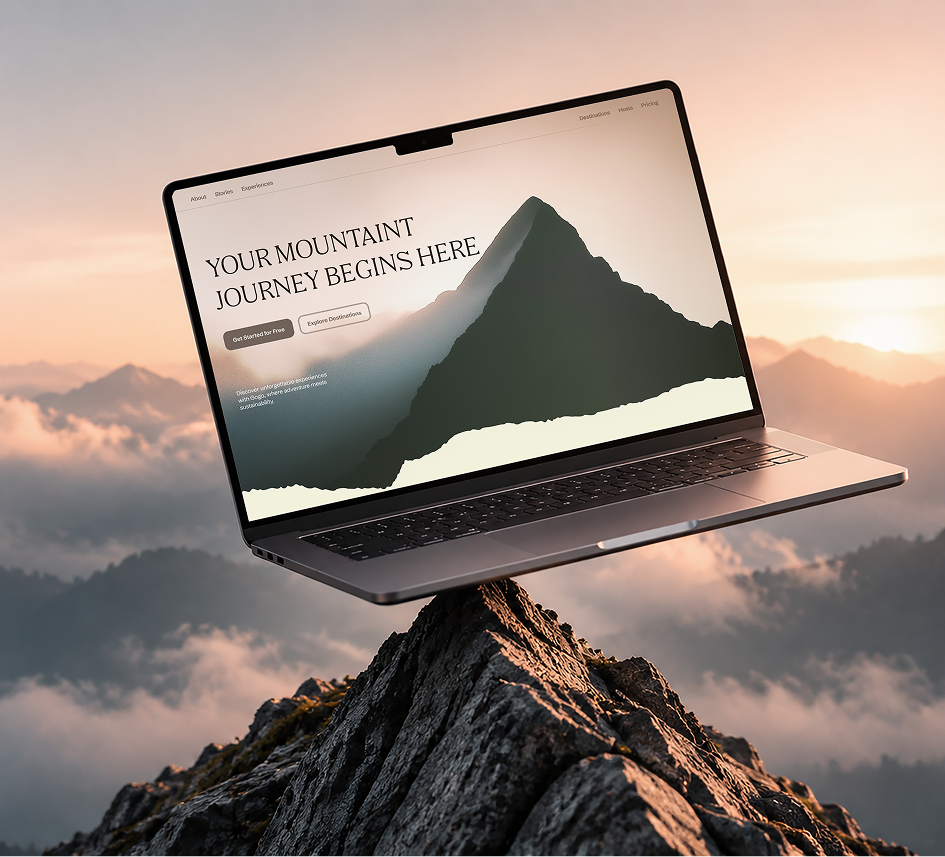
Travel site for adventurers
Web and SaaS development build · 3-week engagement period · Booking-first launch plan
[ The challenge ]
Gogo wanted a website that could make a traveler feel the mountains before booking, while still giving a clear path from first scroll to confirmed trip on phones and laptops alike.
Next.js
Typescript
Tailwind CSS
Node.js
PostGreSQL
[ What we built ]
A fast, responsive travel site with rich destination pages, host profiles, and review sections, tied to a simple sign-up flow that moves visitors toward booking.
2.3×
Sign-up rate
Under 2s
Page load time
Top 3
Search ranking
Travel website · Art direction, UI/UX & development
[ projects ]
Web And SaaS Products We've Built


DEEPVISION
WebApp
AI Creative
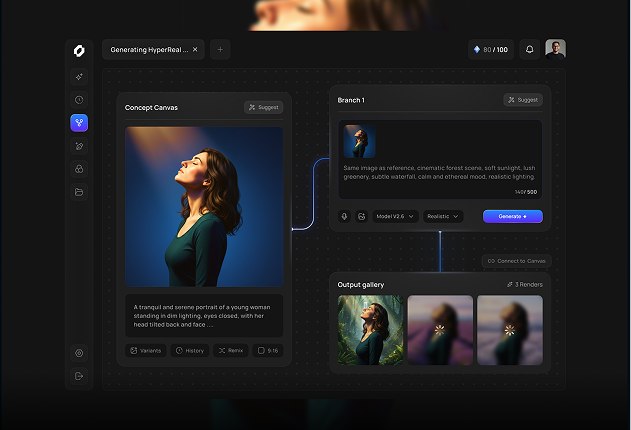
A node canvas that branches ideas into renders
We built the AI engine behind DeepVision, from prompt branching to model selection and style controls. Renders land in the gallery fast, and remix and history tools make every experiment easy to trace back.

LIMU
Website
AI Finance
Financial data for growing teams, all in one place
Our team engineered Limu as a full-stack SaaS product. That covered the live cash flow and spending widgets, the card management tools, and the marketing site that brings new users in.

CONNECT
Website
CRM
A customer platform that unites every channel
We developed the full web app for Connect, from account and profile management to the inbox that joins email, chat, and social messages. The marketing site and trial flow came with it.

SARA
Website
EdTech
A secure learning portal, built from scratch
Sara needed a portal that could grow with its courses. We built the training pages, the trainer content system, and the group purchase flow that lets companies enroll whole teams at once.
[ transformation ]
The Rebuild, Not The Pitch
Projects often begin with damage control: the audit, the fix, and the aftermath.
A dedicated 4-person pod
Designer, engineers and QA, all on your product.
One team, two platforms
iOS + Android, one team, one codebase.
Crash-free at scale
99.2% stability across 1.8M live users.
What clients actually say
Feedback from founders we've shipped with.
Direct speak with the engineer
Saiful replies directly, no manager in the loop.
Built in Dhaka, shipped globally
Live in 9+ countries across four continents.
[ testimonial ]
Client Voices, Unfiltered

Sofia Gouveia @ Esdiac
Design Director
We relied on them to build our online store with AI-enhanced features that improve customer experience.
Working with Dev Monks on our ESDIAC app and group websites was an excellent experience. They were patient, attentive to feedback, and delivered clean, consistent, high-quality work. We're proud of the results and happy to continue our long-term partnership with them.


Anika @ Coin Pulse
Founder
Their team truly understood our vision and brought it to life through a stunning digital identity.
Dev Monks is a professional, reliable partner for end-to-end product builds. From clean, modern designs to seamless development, they exceeded my expectations. I couldn't be happier with the collaboration!

Austin @ Clarity LLC
CEO
Working with Dev Monks completely changed how we approached building our app website scratch.
I've worked with Design Monks on three websites, and they've been nothing but exceptional. Their design is top-notch, development is reliable, and communication is always smooth. They quickly act on feedback and deliver exactly what I need. For me, they're a 10/10 partner for all things design and development.

Ted Nash @ Yenex
Founder & CEO
I never expected building a complex platform to feel this easy and smooth.
I've had the pleasure of collaborating with Dev Monks for a while now on my new project. They're lightning-quick in addressing any questions or feedback I have, and they consistently go the extra mile to make sure I'm thrilled with the final outcome. I wholeheartedly endorse them


[ faq ]
Questions You'd Ask Before Signing Off

What's the difference between a design system in Figma and in code?

A Figma design system is what designers use to create screens. A coded design system is the component library developers use to build them. When both share the same tokens and components, the product matches the design without constant fixes.
Do you design the system too?
We focus on the code. If you need the design system created or cleaned up in Figma first, our design partner Design Monks offers AI Design System design, and we build from their files.
Which frameworks do you support?
We build component libraries in React with TypeScript, and can work in Vue.js. We match the styling approach your product already uses, such as CSS, Sass or Tailwind CSS.
Can AI coding tools use our design system?
Yes, once it's set up for them. We add documentation and rules files that tell tools like Cursor and Claude Code which components and tokens to use, so generated screens follow your system.
Do we have to rebuild our product to adopt it?
No. We move screens onto the new components in stages, starting with the most used parts of your product, so releases keep going while the system rolls out. For bigger codebase changes, see Rescue & Modernization.


[ start project ]
Is Your UI Drifting From Your Designs?
Share your Figma file and a link to your product. We'll show you where design and code disagree and what a coded design system would fix first.
Typical range
$15,000 – $80,000
~/devmonks/stack.ts

Dual-store launch included

Fixed, transparent scope
Your ideas deserve more than prototypes. Partner with Dev Monks and bring scalable, reliable, and AI-enhanced products to life today.



